2 October 2023
Cultivate a Culture of Learning and Improvement with Post-Mortems

Share via


“A review of our past is never a waste of time. Echoes from the past offer guiding principles for living in the present.” - Kilroy J. Oldster, Dead Toad Scrolls
Errors are unavoidable and bound to occur at some stage in a project's lifecycle. While this may sound stark, these moments provide valuable knowledge and insights that can be used in future work.
In line with this, it's equally important to reflect on what went right to ensure successes are replicated in similar future opportunities. Acknowledging these successes is perhaps the most crucial part of any project debrief.
A post-mortem is a structured analysis of a project, from its inception to completion, aimed at identifying what succeeded and what could be improved. Post-mortems are typically held after a project's production cycle concludes. By adopting them, we can learn from a project's experiences and apply that new knowledge and those ideas to subsequent projects and challenges.
Achieve new levels of success by integrating proper process evaluation
Numerous benefits emerge from conducting a thorough post-mortem. The most significant is enhanced efficiency in current and future projects. As a team examines and refines its processes, they naturally become more effective. With every project debrief, we gain understanding and knowledge from both successes and challenges. This helps mitigate future risks by applying what we've learned and incorporating suggestions and ideas into our existing workflows.
How can we pinpoint areas for improvement and prevent issues from recurring? Was the timeline realistic? Did the project have sufficient resources? Was the team fully briefed and aware of all their assigned tasks? These are all critical questions addressed in post-mortem meetings. It's essential for businesses to identify problems and communicate solutions to foster growth and success.

Acknowledge wins to ensure repeated successes
An individual with a personal trainer is more likely to achieve their fitness goals than someone training alone. The same principle applies to a project and its team. Repeated success is more probable when positive reinforcement is a focus of the debrief. Celebrating achievements and giving credit where it's due are vital components of a post-mortem meeting. This helps team members feel recognised and valued, which in turn fosters consistency in high-quality work.
Beyond improving efficiency, a post-mortem is a key tool for boosting morale and teamwork. These meetings are crucial for understanding the outcome of all the hard work and long hours invested in a project. A team will also gain a better understanding of each other’s skills, strengths, and weaknesses. With this knowledge, we can ensure our teams function as a unified entity with improved communication and morale after each post-mortem.
A post-mortem can also bring a sense of closure to projects. By using post-mortems as a final closing ritual, a feeling of accomplishment is fostered. As a finished project is reviewed, it not only offers a chance to step back and reflect but also creates a sense of finality and pride. This is an excellent way to conclude any project and start new ones with high spirits and a motivated team.
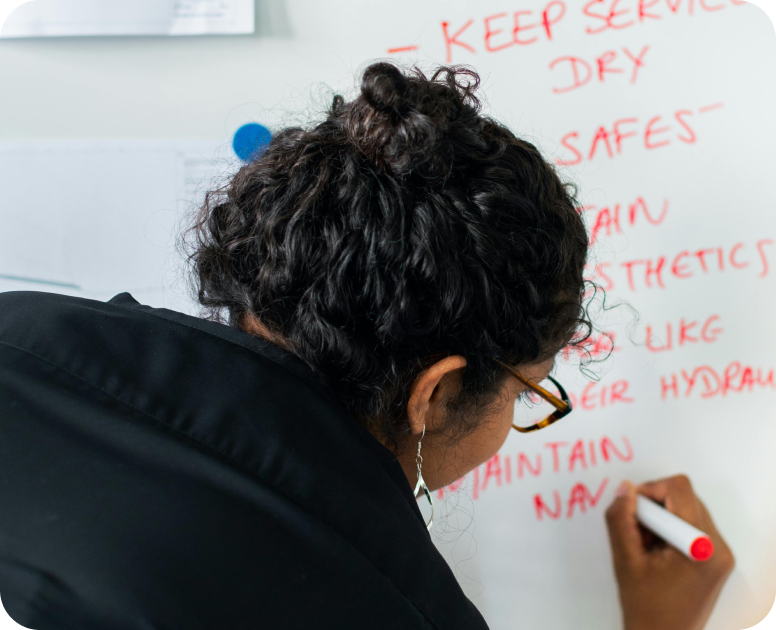

Confronting flaws and areas for improvement
As mentioned, post-mortems serve as a tool for learning and growth. To maximise information and engagement from the team during a project debrief, it is vital to maintain a positive and constructive atmosphere in your sessions.
These meetings are not for assigning blame; instead, they are used as a mechanism to highlight issues and brainstorm potential solutions. When a post-mortem remains positive and constructive, the benefits are far greater than if the session were dominated by criticism and finger-pointing.
By adhering to this principle, we can clearly see overall internal growth while still addressing the flaws and shortcomings encountered during the project.
In conclusion
Having outlined the distinct advantages of conducting post-mortems, it is clear that these reviews are essential for a business’s development. Project managers and companies are urged to conduct post-mortems to encourage general maturation and enhancement that will be reflected in future projects.
At CubeZoo, we are perpetually seeking intuitive methods to elevate our services and deliver the best possible products and experiences to our clients. Post-mortems have shown themselves to be an effective means to learn, grow, and adapt to new situations and experiences—ultimately positioning CubeZoo as a superior partner for our clients.
